
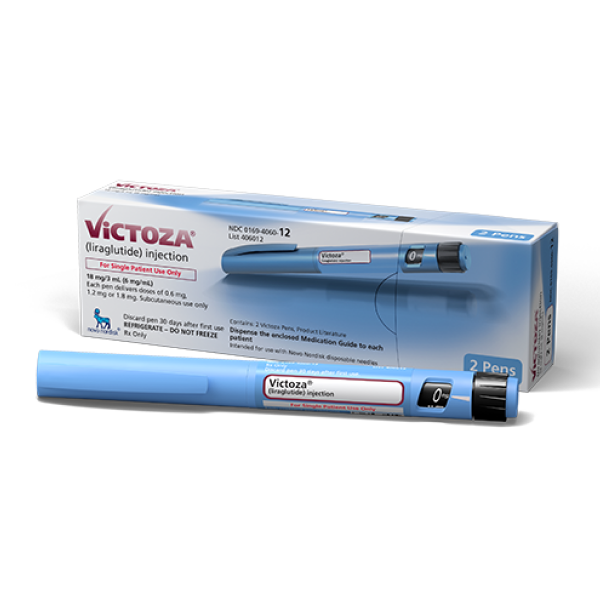

Victoza 6 mg/ml Liraglutide
What Is Victoza?
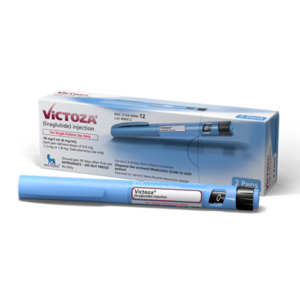
Victoza is a prescription medicine containing the active ingredient liraglutide. It belongs to a class of medicines known as GLP-1 receptor agonists.
Victoza is authorised in the European Union for the treatment of type 2 diabetes mellitus in adults, adolescents and children aged 10 years and over whose diabetes is not adequately controlled.
It is used alongside diet and exercise and may be prescribed on its own when metformin is inappropriate or in combination with other diabetes medicines.
Victoza is administered as a once-daily injection under the skin using a pre-filled injection pen.
How Does Victoza Work?
Victoza contains liraglutide, which acts similarly to the naturally occurring hormone GLP-1 (glucagon-like peptide-1).
GLP-1 is an incretin hormone involved in controlling blood glucose. Liraglutide activates GLP-1 receptors and helps the pancreas release more insulin when blood glucose levels are elevated.
It can also reduce inappropriate glucagon secretion and influence gastric emptying.
Together, these actions can help improve blood glucose control in people with type 2 diabetes.
What Are the Benefits of Victoza?
For eligible patients with type 2 diabetes, Victoza can provide several benefits as part of an appropriately prescribed treatment plan:
- helps improve blood glucose control;
- can reduce HbA1c;
- administered only once per day;
- can be used with certain other diabetes medicines;
- provides adjustable prescribed doses;
- has extensive clinical experience as a GLP-1 receptor agonist.
Although some people may lose weight while using liraglutide, Victoza itself is not authorised in the EU as a weight-management medicine.
Victoza Dosage
The standard starting dose of Victoza is:
0.6 mg once daily for at least one week.
The dose is then normally increased to:
1.2 mg once daily.
For some patients who require additional blood glucose control, the dose may subsequently be increased to:
1.8 mg once daily, after at least one week at 1.2 mg.
The recommended dosing progression is therefore:
| Treatment stage | Daily dose |
|---|---|
| Starting dose | 0.6 mg |
| After at least 1 week | 1.2 mg |
| If clinically required | 1.8 mg |
| Maximum recommended daily dose | 1.8 mg |
The 0.6 mg dose is primarily intended to improve gastrointestinal tolerability when treatment begins and is not normally the maintenance dose used for glycaemic control.
Always use the dose prescribed specifically for you.
How Do I Use Victoza?
Victoza is injected under the skin (subcutaneously) once daily.
Suitable injection areas include:
- abdomen;
- thigh;
- upper arm.
It can be administered independently of meals and should preferably be used at approximately the same time each day.
Rotate injection sites rather than repeatedly injecting into exactly the same location.
Never inject Victoza into a vein or muscle.
How Much Liraglutide Is in Each Victoza Pen?
Each 3 ml Victoza pen contains 18 mg of liraglutide, corresponding to a concentration of 6 mg/ml. Current German pharmacy listings confirm the 18 mg liraglutide content per 3 ml pen.
A Victoza pen is designed to deliver prescribed doses of:
0.6 mg, 1.2 mg or 1.8 mg.
Do not attempt to calculate unofficial doses by counting pen clicks.
Victoza Side Effects
Like all medicines, Victoza can cause side effects, although not everyone experiences them.
Gastrointestinal effects are among the most commonly experienced and can include:
- nausea;
- diarrhoea;
- vomiting;
- constipation;
- indigestion;
- abdominal discomfort;
- reduced appetite.
These effects may be more noticeable when treatment begins or following a dose increase.
Other adverse reactions can occur. Read the Patient Information Leaflet supplied with your medicine for a complete list.
Hypoglycaemia and Victoza
Victoza itself has a relatively low potential to cause hypoglycaemia, but the risk can increase when it is used alongside certain other diabetes medicines, particularly insulin or sulfonylureas.
Your healthcare professional may therefore need to review the dose of other diabetes medication when Victoza treatment is introduced.
Symptoms of low blood glucose can include sweating, shaking, hunger, dizziness, weakness, confusion or a rapid heartbeat.
Victoza and Pancreatitis
Acute pancreatitis has been reported in patients treated with GLP-1 receptor agonists.
Seek medical attention if you develop severe and persistent abdominal pain, particularly if the pain radiates towards your back or is accompanied by vomiting.
Your healthcare professional should determine whether treatment needs to be stopped.
Victoza and Dehydration
Vomiting and diarrhoea can cause dehydration.
Maintaining adequate fluid intake is therefore important, particularly when gastrointestinal side effects occur.
Contact a healthcare professional if you cannot keep fluids down or experience symptoms of significant dehydration.
Can Victoza Be Used During Pregnancy?
Victoza should not be used during pregnancy.
If you are pregnant, think you may be pregnant or are planning to become pregnant, speak with your healthcare professional so your diabetes treatment can be reviewed.
Can Victoza Be Used for Weight Loss?
Victoza is not authorised in the EU specifically for weight management.
Although liraglutide can affect appetite and body weight, Victoza’s authorised indication is type 2 diabetes.
Other liraglutide products have been specifically authorised for weight management at different dosing regimens. EMA has cautioned healthcare professionals to prescribe GLP-1 medicines according to their authorised indications.
This distinction is particularly important for a pharmacy/product website.
Victoza vs Nevolat
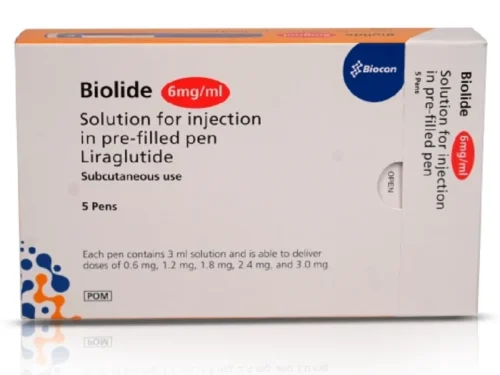
Both medicines contain liraglutide, but they should not be presented as equivalent treatments solely because they share the same active ingredient.
Victoza is authorised primarily for type 2 diabetes and uses doses up to 1.8 mg daily.
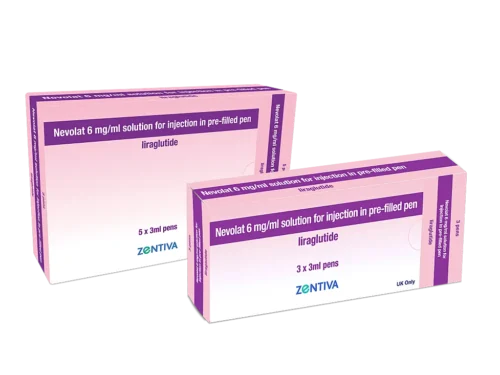
Nevolat is a liraglutide presentation associated with weight-management dosing reaching up to 3 mg daily where authorised.
Always use the specific product and dose prescribed by your healthcare professional.
Victoza vs Ozempic
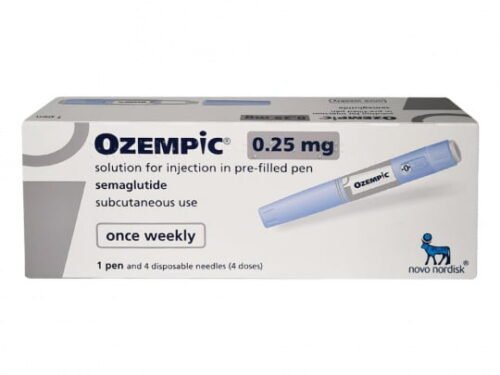
Victoza and Ozempic are both GLP-1 receptor agonists used for type 2 diabetes, but they contain different active ingredients.
Victoza: liraglutide – normally administered once daily.
Ozempic: semaglutide – normally administered once weekly.
A healthcare professional should determine which treatment is most appropriate based on the patient’s individual circumstances.
Victoza vs Wegovy
Victoza contains liraglutide, while Wegovy contains semaglutide.
They also have different authorised indications. Victoza is authorised for type 2 diabetes, whereas Wegovy is specifically authorised for weight management in eligible patients.
How Should I Store Victoza?
Victoza is a temperature-sensitive medicine and should be stored according to the instructions provided with the specific product.
Before first use, the pen normally requires refrigerated storage.
Do not freeze Victoza, and do not use medicine that has been frozen.
After first use, follow the storage temperature and maximum in-use period stated in the Patient Information Leaflet. Keep the pen protected from excessive heat and light and out of the sight and reach of children.
Can I Buy Victoza Online?
Victoza is a prescription-only medicine.
Where legally available, it should only be supplied following an appropriate medical assessment and valid prescription. Patients should not use Victoza solely for cosmetic weight loss or obtain it without appropriate clinical supervision.
Reviews
There are no reviews yet.