
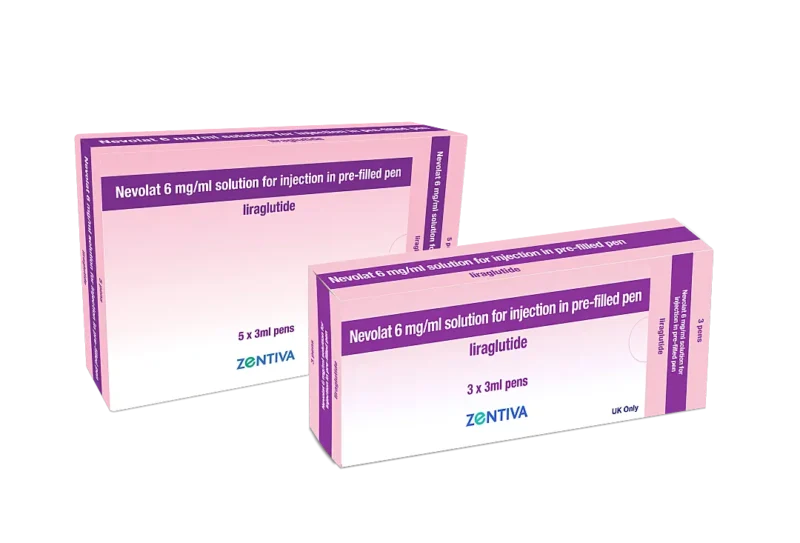
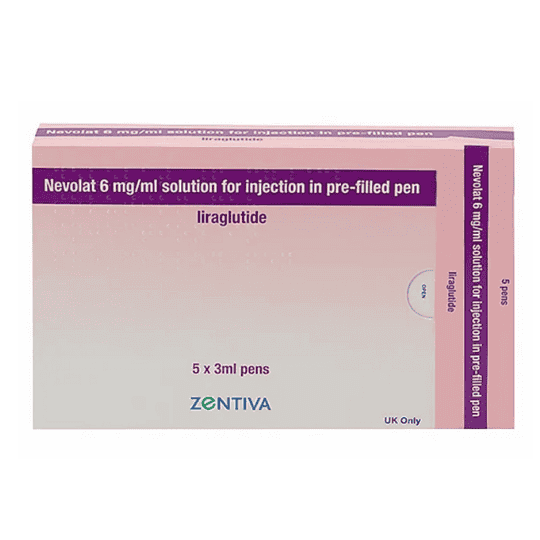
Buy Nevolat 6 mg/ml Liraglutide Weight Loss Injection
Active ingredient: Liraglutide
Strength: 6 mg/ml
Form: Solution for injection in a pre-filled pen
Administration: Subcutaneous injection
Treatment type: GLP-1 weight-management medicine
Frequency: Once daily
Maximum daily dose: 3 mg
Manufacturer/brand: Zentiva
What Is Nevolat?
Nevolat is a prescription weight-management medicine containing liraglutide, a GLP-1 receptor agonist.
It is used alongside a reduced-calorie diet and increased physical activity to support weight loss and long-term weight management in eligible patients.
Liraglutide is similar to the naturally occurring hormone GLP-1 (glucagon-like peptide-1), which is released after eating and plays an important role in regulating appetite.
By acting on receptors involved in appetite regulation, Nevolat can help you feel fuller and less hungry, making it easier to reduce food intake as part of a structured weight-management programme.
Each Nevolat pre-filled pen contains 18 mg of liraglutide in 3 ml of solution (6 mg/ml).
How Does Nevolat Work?
Nevolat contains liraglutide, a GLP-1 receptor agonist.
GLP-1 is a naturally occurring hormone involved in appetite and glucose regulation. Liraglutide acts on GLP-1 receptors, including pathways involved in controlling hunger and food intake.
This can:
- reduce feelings of hunger;
- increase feelings of fullness after eating;
- help control appetite;
- reduce overall food intake;
- support weight loss when combined with appropriate dietary and lifestyle changes.
Nevolat does not work by directly burning fat. Its weight-management effects are primarily related to appetite regulation and reduced calorie intake.
Who Can Use Nevolat?
For adults, Nevolat may be prescribed as an addition to a reduced-calorie diet and increased physical activity for people with an initial:
- BMI of 30 kg/m² or above (obesity); or
- BMI of 27 kg/m² to below 30 kg/m² (overweight) when at least one weight-related health condition is also present.
Examples of weight-related conditions can include:
- prediabetes or type 2 diabetes;
- high blood pressure;
- abnormal blood lipid levels;
- obstructive sleep apnoea.
Eligibility must be assessed by a qualified healthcare professional.
Nevolat Dosage
Nevolat is normally introduced gradually to improve gastrointestinal tolerability.
Standard Adult Dose Escalation
| Treatment period | Daily dose |
|---|---|
| Week 1 | 0.6 mg once daily |
| Week 2 | 1.2 mg once daily |
| Week 3 | 1.8 mg once daily |
| Week 4 | 2.4 mg once daily |
| Week 5 onward | 3.0 mg once daily |
The dose is normally increased in 0.6 mg increments at intervals of at least one week until the recommended maintenance dose of 3 mg daily is reached.
If increasing to the next dose is not tolerated for two consecutive weeks, treatment discontinuation should be considered in accordance with the prescribing information.
Do not increase your dose faster than instructed by your prescriber.
How Do I Use Nevolat?
Nevolat is administered once daily as an injection under the skin (subcutaneous injection).
It can be administered at any time of day and can be used with or without food and drink.
It is preferable to use Nevolat at approximately the same time each day.
Suitable injection areas include:
- the abdomen;
- the front of the thigh;
- the upper arm.
Change the injection site regularly to reduce the risk of injection-site reactions.
Nevolat must not be injected into a vein or muscle.
Your doctor, pharmacist or nurse should show you how to use the pre-filled pen before you administer it yourself for the first time.
What Doses Can the Nevolat Pen Deliver?
Each Nevolat pre-filled pen contains 3 ml of solution containing 18 mg liraglutide.
The pen can deliver the following selectable doses:
- 0.6 mg
- 1.2 mg
- 1.8 mg
- 2.4 mg
- 3.0 mg
Use only the dose prescribed for you.
Do not attempt to determine a dose by counting pen clicks.
Do Nevolat Pens Come With Needles?
Injection needles may not be included with the Nevolat pen.
Compatible disposable pen needles should be used according to the manufacturer’s instructions. The current patient information identifies compatible disposable needles as thin as 32G and up to 8 mm in length.
Always use a new needle for each injection and dispose of used needles safely in an appropriate sharps container.
Never share your pen or needles with another person.
How Effective Is Liraglutide for Weight Loss?
Liraglutide has been extensively studied as part of structured weight-management programmes involving reduced-calorie diets and increased physical activity.
Clinical trials have demonstrated that eligible patients treated with liraglutide can achieve clinically meaningful weight reduction compared with placebo when treatment is combined with lifestyle intervention.
Results vary considerably between individuals. Some people lose substantially more weight than others, while some may not respond sufficiently to treatment.
For this reason, your response should be reviewed by your prescriber rather than assuming treatment will automatically produce a particular percentage of weight loss.
When Should Nevolat Treatment Be Stopped?
Treatment response should be assessed after you have had sufficient time on the maintenance dose.
For adults, current prescribing information recommends discontinuing treatment if an adequate amount of initial body weight has not been lost after the specified treatment period at the 3 mg daily dose.
Your prescriber should monitor your progress and determine whether continued treatment is clinically appropriate.
Do not continue, stop or restart Nevolat without appropriate medical advice.
What Are the Common Side Effects of Nevolat?
Like all medicines, Nevolat can cause side effects, although not everyone experiences them.
The most frequently experienced effects are gastrointestinal.
These can include:
- nausea;
- vomiting;
- diarrhoea;
- constipation;
- indigestion;
- stomach discomfort or pain.
Other reported effects can include:
- headache;
- dizziness;
- tiredness;
- dry mouth;
- injection-site reactions;
- gallstones;
- changes in pancreatic enzyme levels.
Gastrointestinal side effects are often more noticeable when treatment begins or when the dose is increased and may improve as the body becomes accustomed to liraglutide.
Nevolat and Dehydration
Nausea, vomiting and diarrhoea can result in loss of fluids and dehydration, particularly during the early stages of treatment.
Drink adequate fluids during treatment.
Speak with a healthcare professional if vomiting or diarrhoea is persistent or if you develop symptoms of dehydration such as:
- unusually dark urine;
- dry mouth;
- dizziness;
- weakness or lightheadedness;
- reduced urination.
Severe dehydration can contribute to kidney problems and requires medical assessment.
Nevolat and Pancreatitis
Acute pancreatitis has been reported with GLP-1 receptor agonists, including liraglutide.
Stop using Nevolat and seek medical attention if you develop severe and persistent abdominal pain, particularly pain that may spread through to your back, as this can be a symptom of pancreatitis.
If pancreatitis is confirmed, liraglutide should not be restarted unless appropriately advised under current medical guidance.
Nevolat and Gallstones
Weight loss and liraglutide treatment can be associated with gallbladder problems, including gallstones and inflammation of the gallbladder.
Seek medical advice if you develop symptoms such as persistent or severe upper abdominal pain, particularly when accompanied by fever, nausea, vomiting or jaundice.
Nevolat and Diabetes
If you have diabetes, tell your prescriber before starting Nevolat.
Weight loss and liraglutide treatment can affect blood glucose levels, and your doctor may need to adjust certain diabetes medicines.
The risk of hypoglycaemia (low blood sugar) may be increased when liraglutide is used alongside some glucose-lowering medicines.
Symptoms of low blood sugar can include:
- sweating;
- shaking;
- hunger;
- weakness;
- dizziness;
- headache;
- rapid heartbeat;
- difficulty concentrating;
- confusion.
Follow the blood-glucose monitoring and treatment instructions provided by your healthcare professional.
Who Should Not Use Nevolat?
Do not use Nevolat if you are allergic to liraglutide or any of the other ingredients in the medicine.
Nevolat may also not be recommended, or may require particular caution, in people with certain medical conditions.
Tell your prescriber if you:
- have previously experienced pancreatitis;
- have kidney disease or are receiving dialysis;
- have liver disease;
- have severe heart failure;
- have severe gastrointestinal disease;
- have delayed stomach emptying (gastroparesis);
- have inflammatory bowel disease;
- have diabetes;
- take other medicines that affect blood glucose;
- are pregnant, breastfeeding or planning a pregnancy;
- take another weight-management medicine.
Your prescriber will determine whether Nevolat is appropriate based on your individual medical circumstances.
Can Nevolat Be Used During Pregnancy?
Liraglutide should not be used during pregnancy.
Weight-loss treatment is not appropriate during pregnancy.
If you are pregnant, think you may be pregnant or are planning to have a baby, tell your doctor or prescriber.
If pregnancy occurs while using Nevolat, contact your healthcare professional promptly so that your treatment can be reviewed.
Can I Use Nevolat While Breastfeeding?
Liraglutide is generally not recommended during breastfeeding because there is insufficient information about whether it passes into human breast milk and its potential effects on a nursing infant.
Discuss breastfeeding with your doctor before using Nevolat.
Can Nevolat Be Used With Other Weight Loss Medicines?
Do not combine Nevolat with another prescription weight-management medicine unless a qualified healthcare professional has specifically determined that this is appropriate.
This includes medicines such as other GLP-1 receptor agonists.
Combining weight-management treatments without medical supervision may increase the risk of side effects and has not necessarily been established as safe or effective.
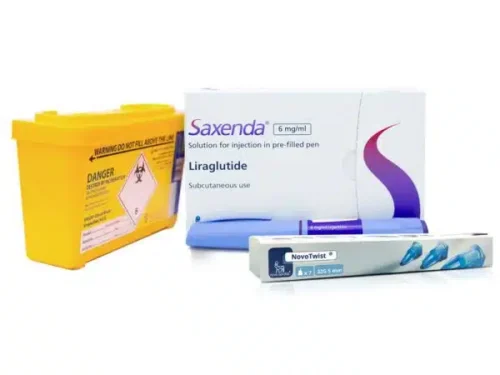
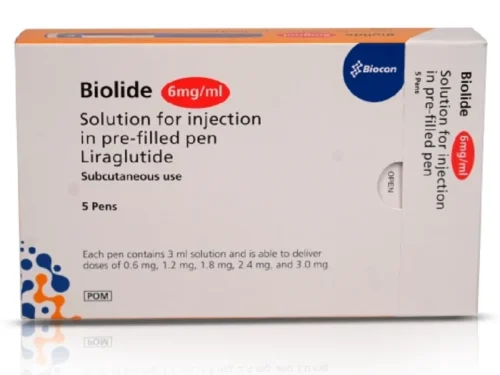
Nevolat vs Saxenda
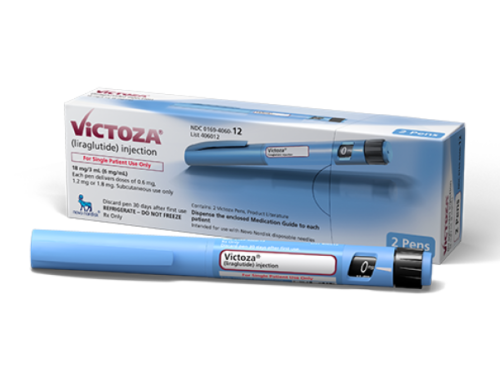
Nevolat and Saxenda both contain liraglutide at a concentration of 6 mg/ml and are used for weight management in eligible patients.
Both act as GLP-1 receptor agonists and use a gradual daily dose-escalation schedule.
However, they are different branded medicinal products and may have different manufacturers, packaging, pen designs, excipients, authorised markets and patient instructions.
Do not automatically substitute one branded medicine for another without checking with your prescriber or pharmacist.
Nevolat vs Wegovy
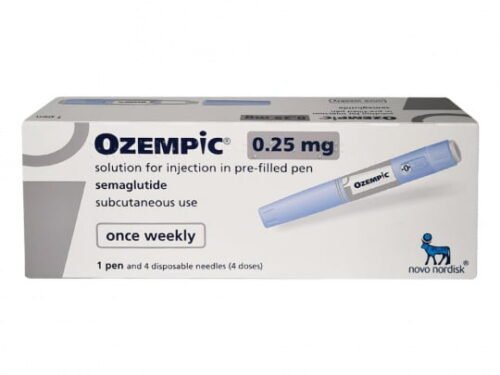
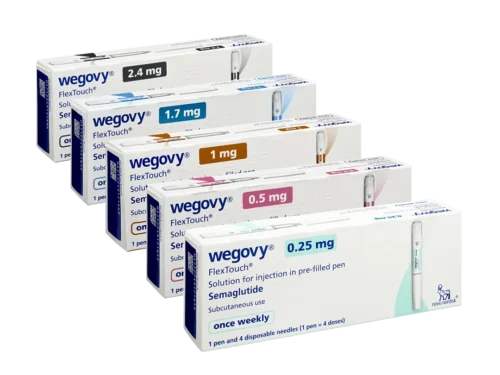
Nevolat and Wegovy are both GLP-1 receptor agonist weight-management medicines, but they contain different active ingredients.
Nevolat contains liraglutide and is administered once daily.
Wegovy contains semaglutide and the commonly used injectable formulation is administered once weekly.
The medicines also differ in their dose schedules and clinical evidence.
The most appropriate treatment depends on your medical history, previous treatment, response, tolerability and individual preferences.
Nevolat vs Mounjaro
Nevolat and Mounjaro are different prescription weight-management treatments.
Nevolat contains liraglutide, which acts primarily as a GLP-1 receptor agonist.
Mounjaro contains tirzepatide, which acts on both GIP and GLP-1 receptors.
Nevolat is administered daily, whereas Mounjaro is typically administered once weekly.
Your prescriber can determine which treatment, if any, is most appropriate for you.
What Should I Do If I Forget a Dose?
Follow the missed-dose instructions provided with your medicine and by your healthcare professional.
Do not inject an extra dose or increase your next dose to compensate for a forgotten injection.
If you have missed several doses or have stopped treatment for a period, contact your prescriber before restarting, because restarting at your previous dose may increase the likelihood of gastrointestinal side effects.
How Should I Store Nevolat?
Before first use, Nevolat should be stored according to the refrigeration and storage conditions specified in the current Patient Information Leaflet.
Do not freeze the medicine and do not use a pen that has been frozen.
After first use, follow the permitted in-use storage period and temperature conditions stated in the leaflet supplied with your particular pack.
Keep the pen cap on when it is not being used to protect the medicine from light.
Do not use Nevolat if the solution is not clear and colourless or almost colourless.
Keep the medicine out of the sight and reach of children.
Can I Buy Nevolat Online?
Nevolat is a prescription-only weight-management medicine.
Where Nevolat is legally authorised and available through MySlimCare for the patient’s country, treatment should only be supplied following an appropriate medical consultation and assessment by a qualified prescriber.
During your consultation, you may be asked about your:
- height and weight;
- BMI;
- existing health conditions;
- current medications;
- previous weight-management treatments;
- diabetes and blood-glucose treatment;
- kidney and liver health;
- history of pancreatitis;
- pregnancy or breastfeeding status;
- other information relevant to safe prescribing.
If Nevolat is clinically appropriate and can legally be prescribed and supplied in your country, your treatment can then proceed according to the applicable prescribing and dispensing requirements.
Nevolat FAQs
Is Nevolat the same as liraglutide?
Liraglutide is the active ingredient contained in Nevolat. Nevolat contains 6 mg of liraglutide per ml, with each 3 ml pre-filled pen containing 18 mg of liraglutide.
Is Nevolat a GLP-1 medication?
Yes. Liraglutide is a GLP-1 receptor agonist. It acts similarly to the naturally occurring GLP-1 hormone and influences pathways involved in appetite regulation.
Is Nevolat the same as Saxenda?
Nevolat and Saxenda both contain liraglutide 6 mg/ml and may be prescribed for weight management. However, they are separate branded medicines and should not automatically be substituted without advice from your prescriber or pharmacist.
How often do I inject Nevolat?
Nevolat is normally administered once every day, preferably at approximately the same time each day.
What is the starting dose of Nevolat?
The usual adult starting dose is 0.6 mg once daily. The dose is normally increased gradually at intervals of at least one week until the recommended maintenance dose is reached.
What is the maximum Nevolat dose?
The standard recommended maintenance dose for adult weight management is 3 mg once daily.
Do not exceed the dose prescribed for you.
Can I take Nevolat with food?
Yes. Nevolat can be administered with or without food and drink.
Where should I inject Nevolat?
Nevolat is injected under the skin of the abdomen, front of the thigh or upper arm. Injection sites should be rotated regularly.
It must not be injected into a vein or muscle.
Does Nevolat need to be refrigerated?
Before first use, the pen should be stored according to the refrigerated storage conditions specified in the Patient Information Leaflet. After first use, different in-use storage conditions may apply. Always follow the leaflet supplied with your medicine.
Can I use Nevolat if I have diabetes?
Some people with type 2 diabetes may be eligible for liraglutide weight-management treatment, but your diabetes medication may require adjustment and additional monitoring. Tell your prescriber about all diabetes medicines you use before starting treatment.
Can I switch from Saxenda to Nevolat?
Because both medicines contain liraglutide, switching may be possible in some circumstances, but it should be arranged by your prescriber or pharmacist. Do not assume that pens or instructions are interchangeable simply because they contain the same active ingredient.
Can I switch from Wegovy or Mounjaro to Nevolat?
A prescriber may consider a change in weight-management treatment when clinically appropriate. However, Wegovy, Mounjaro and Nevolat contain different active ingredients and have different dosing schedules. Do not establish your own switching interval or starting dose.
Is Nevolat prescription-only?
Yes. Nevolat is a prescription medicine and requires an appropriate clinical assessment before it can be prescribed.
Important: Nevolat is a prescription-only medicine. Always use it exactly as directed by your prescriber and read the Patient Information Leaflet supplied with your medicine. The information on this page does not replace individual medical advice.
Reviews
There are no reviews yet.