USE COUPON CODE "SLIM20" TO GET 20% OFF ORDER

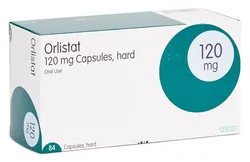
Orlistat 120mg Weight Loss Capsules
Price range: €21.99 through €108.99
Orlistat 120mg is a prescription weight-management medicine that reduces the amount of dietary fat absorbed by the body. Unlike appetite-suppressing weight-loss treatments, orlistat works directly within the digestive system by inhibiting enzymes responsible for breaking down dietary fat.
It is intended to be used alongside a balanced, calorie-controlled diet and regular physical activity for eligible adults requiring additional support with weight management.
- Contains 120mg orlistat per capsule
- Oral weight-management treatment
- Works by reducing dietary fat absorption
- Normally taken with fat-containing main meals
- Used alongside a calorie-controlled diet
- Prescription treatment subject to individual suitability
WHY MYSLIMCARE
- Private & Confidential
- Discreet, Trackable Delivery
- Genuine Medications
- Licensed Physician Support
- We Ship Worldwide
What Is Orlistat 120mg?
Orlistat 120mg is a prescription medicine used as part of a structured weight-management programme for eligible adults.
Each capsule contains 120mg of the active ingredient orlistat.
Unlike GLP-1 medicines that primarily influence appetite, orlistat works locally in the digestive system. It reduces the breakdown and subsequent absorption of some of the fat contained in meals.
This means a proportion of consumed dietary fat passes through the digestive system rather than being absorbed and used as energy.
Orlistat should always be combined with an appropriate calorie-controlled diet rather than being relied upon as a standalone approach to weight loss.
How Does Orlistat Work?
Orlistat is known as a gastrointestinal lipase inhibitor.
Lipases are digestive enzymes that normally break dietary fats down into smaller molecules so that they can be absorbed by the body.
Orlistat binds to these enzymes and reduces their activity.
As a result, some of the fat contained in your food is not digested and absorbed. Instead, it passes through the gastrointestinal tract.
Prescription-strength orlistat 120mg can reduce the absorption of approximately 30% of dietary fat when taken correctly. This mechanism is also described in the European product information for Xenical, the branded 120mg orlistat medicine.
Orlistat does not work by directly suppressing appetite.
Who May Be Eligible for Orlistat 120mg?
Prescription-strength orlistat may be considered for adults who meet appropriate weight-management eligibility criteria.
European product information for 120mg orlistat describes treatment for adults with:
BMI of 30kg/m² or Above
This falls within the obesity range.
BMI Above 28kg/m² With Weight-Related Risk Factors
Treatment may also be considered for some adults who are overweight and have associated health risks.
These could include conditions such as:
- high blood pressure;
- abnormal cholesterol or lipid levels;
- type 2 diabetes; or
- other weight-associated cardiovascular or metabolic risk factors.
Meeting BMI criteria alone does not guarantee that treatment is suitable.
Your health history, existing medicines and individual circumstances should be assessed first.
Start Your Weight Management Consultation
How Effective Is Orlistat for Weight Loss?
Clinical research has shown that adding orlistat to lifestyle intervention can produce greater average weight reduction than lifestyle measures alone in suitable patients.
However, results vary considerably between individuals.
Successful treatment depends heavily on combining the medicine with:
- a reduced-calorie diet;
- sensible portion sizes;
- appropriate dietary fat intake;
- regular physical activity; and
- long-term lifestyle changes.
Orlistat is therefore best viewed as a weight-management aid, not a replacement for a healthy diet or activity.
Treatment response should also be reviewed.
European prescribing information for 120mg orlistat recommends discontinuing treatment after 12 weeks if at least 5% of starting body weight has not been lost.
How Should I Take Orlistat 120mg?
The usual adult dose is:
One 120mg capsule with each main meal containing fat, up to three times daily.
The capsule should be swallowed with water.
Orlistat can be taken:
- immediately before a meal;
- during the meal; or
- up to one hour after the meal.
Always follow the instructions supplied with your specific medicine and those provided by your prescriber.
Do I Take Orlistat If I Skip a Meal?
No dose is normally required if:
- you completely miss a main meal; or
- your meal contains no fat.
This is because orlistat works on dietary fat contained within the meal.
Do not take extra capsules later to compensate for a skipped dose.
What Should I Eat While Taking Orlistat?
Orlistat should be combined with a nutritionally balanced, mildly calorie-restricted diet.
European product information recommends that approximately 30% of daily calories come from fat, with dietary fat, carbohydrate and protein distributed across the main meals.
A diet containing excessive amounts of fat can make gastrointestinal side effects substantially more noticeable.
A sensible weight-management diet should generally emphasise foods such as:
- vegetables;
- fruit;
- lean protein sources;
- whole grains;
- fibre-rich foods; and
- appropriately portioned healthy fats.
Visit our Weight Management Advice section for practical lifestyle guidance.
Why Can High-Fat Meals Cause More Side Effects?
The fat that orlistat prevents from being absorbed continues through the digestive system.
Eating a particularly fatty meal can therefore increase the amount of unabsorbed fat passing through the bowel.
This can lead to gastrointestinal effects such as:
- oily stools;
- oily spotting or discharge;
- increased bowel movements;
- urgency;
- flatulence with discharge; and
- difficulty controlling bowel movements.
Following the recommended diet can help reduce these effects.
Should I Take Vitamins With Orlistat?
Orlistat can reduce the absorption of some fat-soluble vitamins, particularly:
- vitamin A;
- vitamin D;
- vitamin E; and
- vitamin K.
Depending on your diet, treatment duration and individual circumstances, your healthcare professional may recommend an appropriate multivitamin supplement.
If a multivitamin is recommended, it should usually be taken at a different time from orlistat so the medicine does not interfere with vitamin absorption.
Follow the specific advice provided by your prescriber or pharmacist.
How Quickly Does Orlistat Start Working?
Orlistat begins affecting dietary fat absorption soon after treatment starts.
However, that does not mean visible weight reduction happens immediately.
Changes in body weight develop progressively and depend on:
- calorie intake;
- dietary fat intake;
- physical activity;
- consistency with treatment;
- starting weight; and
- individual metabolic factors.
Weight management should therefore be considered over weeks and months rather than days.
What Happens If Orlistat Is Not Helping Me Lose Weight?
Your response to treatment should be reviewed rather than continuing indefinitely without benefit.
For prescription-strength 120mg orlistat, European prescribing information states that treatment should be discontinued after 12 weeks if the patient has not lost at least 5% of their starting body weight.
If you feel treatment is not working, speak with an appropriate healthcare professional before making changes yourself.
Another weight-management approach may be more appropriate.
What Are the Common Side Effects of Orlistat?
Because orlistat reduces dietary fat absorption, its most characteristic side effects affect the digestive system.
Possible gastrointestinal effects include:
- oily or fatty stools;
- oily spotting;
- increased bowel movements;
- urgency to open the bowels;
- flatulence, sometimes with oily discharge;
- abdominal discomfort;
- loose stools; and
- difficulty controlling bowel movements.
These effects tend to be more noticeable when meals contain large quantities of fat.
Not everyone experiences the same side effects.
Always read the current patient information supplied with your medicine before starting treatment.
Are There Serious Side Effects?
Serious reactions are less common, but any medicine can potentially cause significant adverse effects.
Seek appropriate medical advice if you develop symptoms that are severe, persistent or concerning.
European regulators have previously reviewed reports of severe liver injury associated with orlistat. The EMA concluded that the benefits of authorised orlistat medicines continued to outweigh their risks, while maintaining appropriate product warnings.
Always consult the current patient information for a complete list of possible adverse reactions.
Who Should Not Take Orlistat?
Orlistat is not appropriate for everyone.
European product information lists contraindications including:
- allergy to orlistat or another product ingredient;
- chronic malabsorption syndrome; and
- cholestasis.
Other medical conditions and medicines may also affect suitability.
Make sure you tell your prescriber about your complete medical history and all medicines you currently take.
Does Orlistat Interact With Other Medicines?
Yes. Orlistat can interact with certain medicines or affect their absorption.
Medicines that require particular consideration can include certain:
- anticoagulants;
- anti-epileptic medicines;
- thyroid medicines;
- ciclosporin;
- diabetes medicines; and
- other treatments where altered absorption may be clinically important.
This is not a complete interaction list.
Always provide a full list of your prescription medicines, over-the-counter products and supplements during your consultation.
Can I Drink Alcohol While Taking Orlistat?
There is no well-established direct pharmacological interaction between orlistat and moderate alcohol consumption.
However, alcohol can be high in calories and may make maintaining a calorie deficit more difficult.
Alcohol can also influence appetite, portion control and food choices.
If weight loss is your goal, limiting alcohol intake may therefore make your overall programme easier to maintain.
Can I Take Orlistat During Pregnancy?
Weight-loss medicines are generally not appropriate during pregnancy because intentional weight reduction during pregnancy is not normally recommended.
Tell your healthcare professional if you:
- are pregnant;
- think you may be pregnant;
- are planning a pregnancy; or
- are breastfeeding.
Do not start or continue weight-management medication during pregnancy without appropriate medical advice.
Can I Fast While Taking Orlistat?
Orlistat only needs to be taken in relation to meals that contain fat.
If a meal is skipped, the associated dose is normally omitted.
However, an extreme or unsustainable fasting strategy is not required for orlistat to work.
For many people, maintaining a balanced calorie-controlled diet that can be continued over the long term is more practical than repeatedly skipping meals.
What Happens If I Forget to Take Orlistat?
If you forget a dose and more than one hour has passed since the meal, you would not normally take the missed capsule.
Simply continue with your next appropriate dose.
Do not double your dose.
Follow the patient leaflet supplied with your particular medicine if you are unsure.
Orlistat 120mg vs Xenical
Orlistat is the name of the active ingredient.
Xenical is a branded medicine containing 120mg orlistat per capsule.
Generic prescription orlistat 120mg medicines contain the same active ingredient and strength but may differ in:
- manufacturer;
- capsule appearance;
- packaging;
- inactive ingredients; and
- price.
Both work through the same basic lipase-inhibition mechanism.
Orlistat 120mg vs Alli 60mg
Both products contain orlistat but at different strengths.
Orlistat 120mg
Contains 120mg orlistat per capsule and is prescription-strength.
Alli
Contains 60mg orlistat per capsule.
The eligibility requirements and regulatory supply conditions may therefore differ.
Orlistat 120mg vs Orlos 60mg
Orlos also contains the active ingredient orlistat but is typically supplied at 60mg per capsule, compared with the 120mg strength discussed on this page.
Both reduce dietary fat absorption, but the strength, recommended use and supply conditions differ.
Orlistat vs GLP-1 Weight Loss Treatments
Orlistat works very differently from injectable medicines such as Mounjaro or authorised semaglutide weight-management treatments.
Orlistat
Works inside the digestive system by reducing dietary fat absorption.
GLP-1-Based Treatments
Primarily act on hormone receptors involved in appetite, satiety and metabolic regulation.
GLP-1 therapies can therefore reduce hunger and food intake, whereas orlistat does not directly suppress appetite.
Treatment suitability should be based on individual health circumstances rather than simply choosing whichever medicine appears to produce the greatest average weight reduction.
| Quantity | 2 weeks (42 tablets), 4 weeks (84 tablets), 8 weeks (168 tablets), 12 weeks (252 tablets) |
|---|
Related products
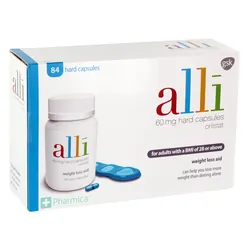
Alli 60mg Orlistat Weight Loss Capsules
Price range: €44.99 through €104.99Select options
This product has multiple variants. The options may be chosen on the product page
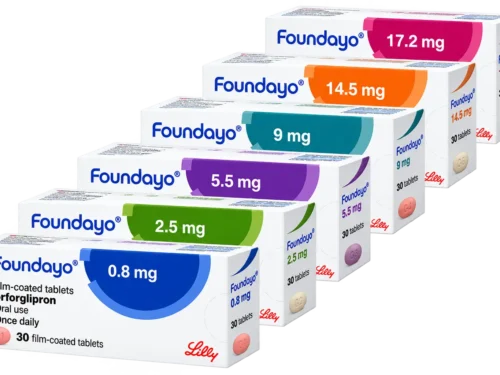
Foundayo (Orforglipron) Weight Loss Tablets
Price range: €59.99 through €159.00Select options
This product has multiple variants. The options may be chosen on the product page
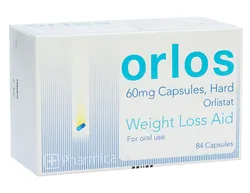
Orlos 60mg Weight Loss Capsules
Price range: €14.99 through €59.49Select options
This product has multiple variants. The options may be chosen on the product page
Wegovy® Oral Pill (Semaglutide Tablet)
Price range: €109.99 through €199.99Select options
This product has multiple variants. The options may be chosen on the product page
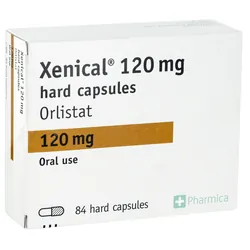
Xenical 120mg Orlistat Weight Loss Capsules
Price range: €51.99 through €159.99Select options
This product has multiple variants. The options may be chosen on the product page
Reviews
There are no reviews yet.