
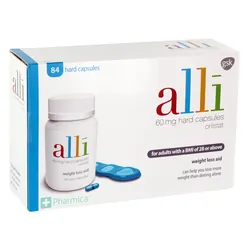
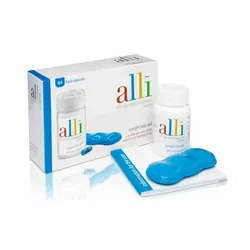

What Is Alli 60mg?
Alli is a weight-loss medicine containing 60mg of the active ingredient orlistat per capsule.
It is designed for adults who are overweight and want additional support alongside dietary and lifestyle changes.
Unlike injectable weight-management medicines that primarily act on appetite-regulating hormone pathways, Alli works locally within the digestive system.
It prevents some of the fat contained in food from being absorbed by the body.
The unabsorbed fat passes through the digestive tract rather than being stored or used as energy.
The European Medicines Agency authorises Alli for weight loss in adults with a BMI of at least 28kg/m², in combination with a mildly calorie-restricted, lower-fat diet.
What Is the Active Ingredient in Alli?
The active ingredient in Alli is orlistat.
Orlistat belongs to a group of medicines known as gastrointestinal lipase inhibitors.
Lipases are digestive enzymes responsible for breaking down fat from food into smaller components that can be absorbed by the body.
Orlistat blocks some of the activity of these enzymes.
As a result, approximately one quarter of the fat eaten in a meal may pass through the digestive system undigested when the 60mg formulation is used correctly.
This helps reduce the number of calories absorbed from dietary fat.
How Does Alli Work for Weight Loss?
Alli does not work by directly reducing hunger.
Instead, it acts in the digestive tract.
When you take Alli with a fat-containing meal:
- The orlistat reaches the stomach and intestine.
- It blocks part of the activity of digestive lipase enzymes.
- Some dietary fat cannot be broken down.
- That fat is not absorbed.
- The unabsorbed fat passes out in the stool.
Reducing the calories absorbed from fat can support gradual weight reduction when your overall calorie intake is also controlled.
For the best results, Alli should be combined with:
- a reduced-calorie diet;
- moderate fat intake;
- regular physical activity;
- appropriate portion sizes; and
- sustainable lifestyle changes.
Who Can Take Alli 60mg?
Alli is intended for adults who are overweight and have a BMI of 28kg/m² or higher.
BMI is a measure based on your height and weight.
Alli may be considered if:
- you are an adult;
- your BMI is at least 28kg/m²;
- you are willing to follow a reduced-calorie diet;
- you can reduce excessive dietary fat intake; and
- there are no contraindications or medicine interactions that make treatment unsuitable.
Treatment suitability can still depend on your individual medical circumstances.
How Should I Take Alli?
Alli 60mg is normally taken with each main meal that contains fat.
The usual approach is:
One 60mg capsule immediately before, during or up to one hour after each main meal.
This means Alli may be taken up to three times daily.
If you:
- skip a meal; or
- eat a meal containing no fat,
you should normally skip the Alli dose for that meal.
Do not take extra capsules later to compensate for a missed dose.
How Many Alli Capsules Can I Take Per Day?
The standard maximum is usually three 60mg capsules per day, corresponding to three main meals.
Taking more than the recommended amount does not provide additional weight-loss benefit and can increase the risk of adverse effects.
Always follow the directions on the product packaging and patient information leaflet.
What Should I Eat While Taking Alli?
Diet plays an important role in Alli treatment.
EMA guidance recommends a mildly calorie-restricted, lower-fat diet, with approximately 30% of daily calories coming from fat.
Fat intake should also be distributed between the three main meals rather than consuming most of it in one meal.
A balanced weight-management diet may include:
- vegetables;
- fruit;
- whole grains;
- lean protein;
- beans and pulses;
- low-fat dairy products where appropriate; and
- moderate quantities of healthy fats.
What Foods Should I Avoid With Alli?
You do not need to eliminate dietary fat completely.
However, high-fat meals can cause significantly more gastrointestinal side effects.
Foods to limit may include:
- fried foods;
- high-fat takeaway meals;
- fatty processed meats;
- large portions of cheese;
- cream-based dishes;
- pastries;
- rich desserts;
- excessive oils; and
- other highly fatty meals.
Keeping dietary fat moderate helps both weight management and treatment tolerability.
Why Does Alli Cause Oily Stools?
The digestive side effects of Alli are closely connected to how the medicine works.
Because some dietary fat is not absorbed, it remains in the gastrointestinal tract.
This can lead to:
- oily spotting;
- fatty or oily stools;
- increased bowel movements;
- bowel urgency;
- flatulence with discharge; and
- soft stools.
These effects are generally more likely if your meals contain a large amount of fat.
Eating a lower-fat diet can help reduce them.
How Effective Is Alli?
Clinical studies reviewed by the EMA found that Alli 60mg produced greater average weight loss than placebo when used alongside dieting.
In studies involving adults with a BMI of at least 28kg/m², participants taking Alli 60mg lost an average of 4.8kg after one year, compared with 2.3kg among participants taking placebo alongside dieting.
These are average study results and do not guarantee what any individual person will lose.
Your own outcome can depend on:
- calorie intake;
- physical activity;
- consistency;
- starting weight;
- diet quality;
- treatment duration; and
- individual biological differences.
How Quickly Does Alli Start Working?
Alli begins affecting fat absorption after treatment starts.
However, visible weight loss is gradual.
You should not judge the effectiveness of treatment after only a few days.
Weight-management progress should be assessed over several weeks.
If you have been unable to lose weight after 12 weeks, official Alli guidance recommends speaking to your doctor or pharmacist because treatment may need to be stopped.
How Long Can I Take Alli?
EMA guidance states that Alli should not be used for more than six months.
If you have not achieved meaningful progress after 12 weeks, you should review whether continuing treatment is appropriate.
Longer-term weight-management strategies should focus on maintaining sustainable diet and lifestyle changes rather than relying indefinitely on medication.
What Happens If I Miss an Alli Dose?
If you miss a dose and more than one hour has passed since your meal, skip that dose.
Take your next capsule with the next appropriate main meal containing fat.
Do not double the dose.
Does Alli Reduce Appetite?
No.
Alli does not primarily work on appetite.
This is one of the major differences between orlistat and GLP-1-based weight-loss treatments.
Alli works in the gastrointestinal system to reduce the absorption of dietary fat.
If appetite control is a major challenge, a different weight-management approach may be more appropriate depending on your medical circumstances.
Do I Need Vitamins While Taking Alli?
Orlistat can reduce the absorption of fat-soluble vitamins, including:
- vitamin A;
- vitamin D;
- vitamin E; and
- vitamin K.
A multivitamin may therefore be appropriate for some people.
If a vitamin supplement is recommended, it should generally be taken separately from Alli, often at bedtime or at least several hours away from the dose.
Follow advice from your pharmacist or healthcare professional.
What Are the Common Side Effects of Alli?
Most common Alli side effects affect the digestive system.
They can include:
- oily spotting;
- flatulence with discharge;
- urgent need to open the bowels;
- fatty or oily stools;
- oily bowel movements;
- flatulence; and
- soft stools.
These effects are often mild, particularly when the recommended lower-fat diet is followed.
They can also be more noticeable when treatment first begins.
Can Alli Cause Serious Side Effects?
Serious effects are less common.
Seek medical advice if you experience severe, persistent or unusual symptoms.
Orlistat-containing medicines have previously been reviewed by the EMA following reports of rare serious liver injury. European regulators concluded that the overall benefits continued to outweigh the risks when the medicines are used appropriately.
Always read the current package leaflet before starting treatment.
Who Should Not Take Alli?
Alli is not suitable for everyone.
Official EMA information states that it should not be used by people who:
- are allergic to orlistat or another ingredient;
- have chronic malabsorption syndrome;
- have cholestasis;
- are taking ciclosporin;
- use anticoagulant medicines such as warfarin;
- are pregnant; or
- are breastfeeding.
Other conditions and medicines may also affect suitability.
Always disclose your complete medication and health history.
Does Alli Interact With Other Medicines?
Yes.
Orlistat can interact with certain medicines or affect how they are absorbed.
Particularly important examples include:
- ciclosporin;
- warfarin and related anticoagulants;
- certain anti-epileptic medicines;
- thyroid medicines;
- diabetes medicines; and
- other medicines where absorption is clinically important.
Always check for interactions before beginning treatment.
Can I Drink Alcohol While Taking Alli?
There is no major direct interaction between alcohol and orlistat.
However, alcohol can contain a significant number of calories and may slow your weight-loss progress.
It may also make high-calorie or fatty food choices more likely.
Limiting alcohol may therefore support your overall weight-management plan.
Can I Use Alli During Pregnancy?
No.
EMA information states that Alli should not be used during pregnancy or breastfeeding.
Intentional weight reduction during pregnancy is generally not appropriate.
If you are pregnant or planning a pregnancy, discuss weight management with an appropriate healthcare professional.
Can I Exercise While Taking Alli?
Yes.
Diet and exercise should form the foundation of your weight-management programme.
EMA specifically advises people using Alli to begin a diet and exercise programme before treatment.
Suitable physical activity can help:
- increase calorie expenditure;
- support cardiovascular health;
- maintain muscle;
- improve fitness; and
- support long-term weight maintenance.
Choose an activity level appropriate for your health and fitness.
Alli vs Orlos
Alli and Orlos are very similar because both contain 60mg orlistat.
Alli
Contains 60mg orlistat and has a centrally authorised European marketing authorisation.
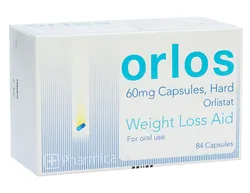
Orlos
Also commonly contains 60mg orlistat but is a different brand.
Their mechanism is fundamentally the same, although they may differ in:
- manufacturer;
- packaging;
- capsule appearance;
- inactive ingredients; and
- availability.
Alli vs Xenical
Alli and Xenical contain the same active ingredient but at different strengths.
Alli
Contains 60mg orlistat per capsule.
Xenical
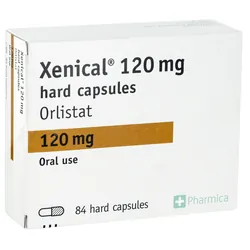
Contains 120mg orlistat per capsule and is prescription-only.
The higher strength does not automatically make Xenical the right option for everyone.
Alli vs Orlistat 120mg
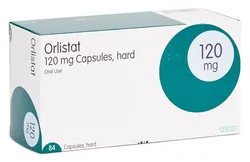
Generic prescription-strength orlistat typically contains 120mg per capsule, compared with Alli’s 60mg.
Both work by inhibiting digestive lipases.
The appropriate strength depends on eligibility, treatment requirements and the applicable supply rules.
Alli vs Weight Loss Injections
Alli works very differently from injectable weight-management medicines.
Alli
Reduces the absorption of dietary fat in the digestive system.
GLP-1 and Related Weight Loss Injections
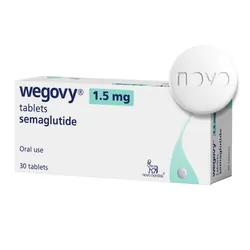
Treatments such as tirzepatide and semaglutide act primarily on hormonal pathways involved in appetite and fullness.
Injectables may produce different average weight-loss outcomes, but they also have different:
- eligibility criteria;
- side effects;
- contraindications;
- dosing schedules; and
- prescription requirements.
Treatment should be selected according to individual circumstance
Reviews
There are no reviews yet.